
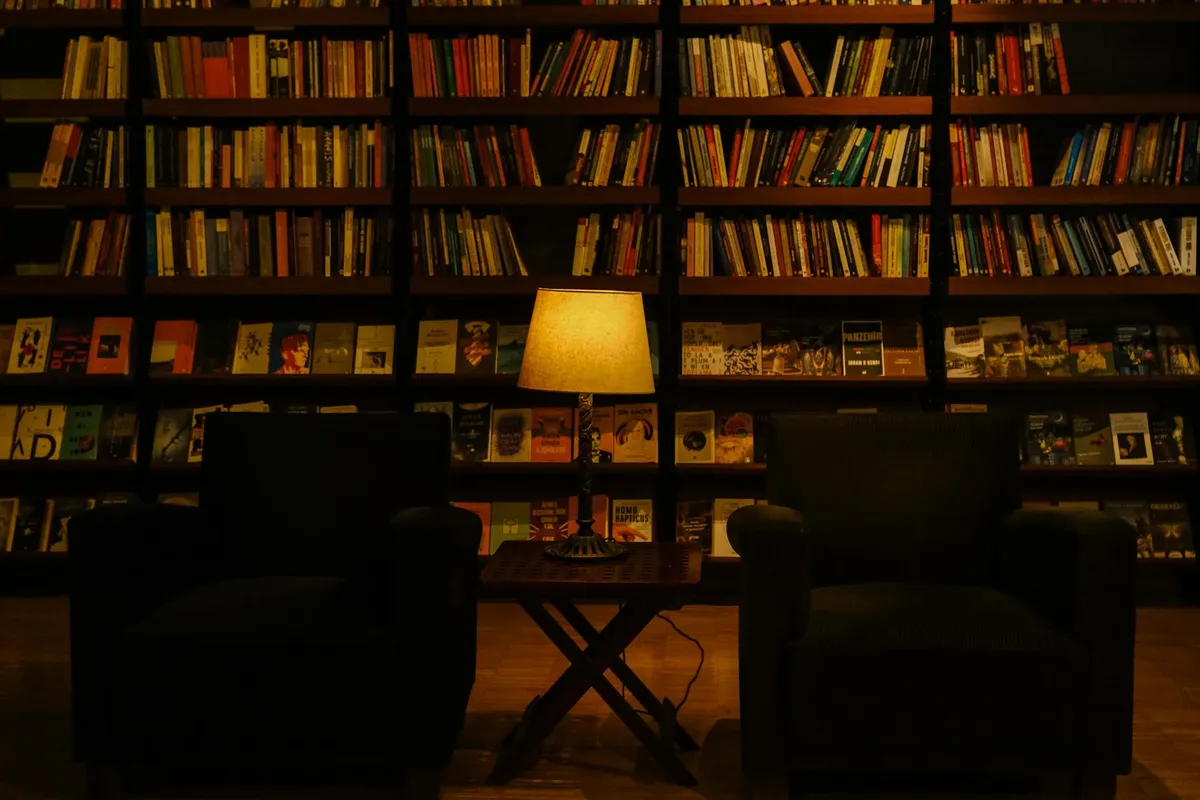
Writers read differently from non-writers. The reading is, for the writer, partly a pleasure and partly an apprenticeship. The pleasure remains; the apprenticeship is what distinguishes the writer's reading from any other reading. Most writers, when they describe their development, place reading at the center. Many describe themselves as having been readers first and writers later — the writing being a continuation of the reading by other means.
This essay is about what reading as a writer actually is, how it differs from other reading, and the specific kinds of reading that most directly inform one's own writing.
What changes when reading becomes apprenticeship
The non-writer reader engages with what a piece of writing says. The writer-reader engages with what it says and how it says it. The two readings happen simultaneously, layered on each other, and the second never quite goes away.
This makes some kinds of reading harder for writers. It is difficult to lose oneself in a poorly-constructed sentence; the construction asserts itself and pulls attention away from the substance. The writer-reader is often a more demanding reader than the non-writer, intolerant of work that wastes time on bad writing. The compensation is that work which is well-made offers the writer-reader an additional kind of pleasure — the pleasure of watching how the work is made — that non-writers often cannot access in the same way.
This dual reading is not optional for writers. Once you have begun to write seriously, you cannot turn it off. Reading is permanently changed by the practice of writing. This is sometimes regretted; the simpler reading of childhood is gone. It is also, on balance, a gift. Reading becomes more layered, more rewarding, more useful.
What to read
The most-frequent question writers ask each other is what to read. The most-honest answer is that what matters less than how. The same reading material can be apprenticeship for one writer and entertainment for another, depending on the attention the reader brings. That said, certain kinds of reading reliably benefit certain kinds of writing.
The writers in your tradition. Whatever you are writing has been written before, in some form, by someone. Find those writers. Read them with care. Their successes are your inheritance; their failures are warnings worth absorbing.
The writers outside your tradition. The writers most unlike you often offer the most. They will defamiliarize what your own tradition has made invisible. They will demonstrate possibilities that the tradition you're working in has forgotten or never had. Read across genres, across centuries, across cultures.
The writers you love. Whichever writers you have loved deeply at any point in your life — read them again. The reasons you loved them then will reveal themselves more fully on rereading. The aspects of their work that shaped your sense of what good writing is will become more visible. You may also discover, on rereading, that you have outgrown some of them; this is information too.
The writers you struggle with. The writers whose work you cannot quite enter on the first attempt are often the writers whose work has the most to teach. The struggle indicates the presence of something you have not yet developed the apparatus to receive. Patient rereading often produces the apparatus.
How to read for the craft
Most reading is forward-momentum reading: the reader is propelled through the work by interest in what comes next. Reading for the craft requires a different posture. The forward momentum is occasionally interrupted, the page turned back, the sentence reread, the structural choice examined. The reading is slower because the reading is doing more.
The specific practices that have served many writers:
- Read the opening pages of any book multiple times. The opening is doing more structural work than later sections; the choices made there reveal the writer's sense of how the work should begin.
- Reread sentences that struck you. Identify, if you can, what made them strike you. The articulation is itself instructive.
- Look at how scenes begin and end. The scene transitions are the structural joints of any narrative. How they're managed reveals a great deal about the writer's craft.
- Notice when you stop noticing. Long stretches where the reading is effortless are often stretches where the writer's craft is most fully achieved — the construction is invisible because it is doing its work without calling attention to itself.
The relationship between reading and writing
The relationship is reciprocal. The reading feeds the writing; the writing changes the reading. Writers who stop reading seriously usually find that their writing weakens within a few years. The supply of fresh material — vocabulary, structural patterns, sensibility, ambition — runs down without continued input.
The reverse is also true. Writers who read deeply but do not write find that the reading itself loses some of its force over time. There is a kind of understanding of writing that becomes available only through writing; without it, certain kinds of reading remain partial.
The fullest version of the literary life involves both, in continuous interplay across decades. The reading that is preparation for writing; the writing that is informed by the reading; the rereading that becomes possible only after the writing has begun. Each strengthens the other; neither stands fully alone.
What deep reading offers
Beyond the craft instruction, deep reading offers something that is harder to name. A relationship with the long tradition. A sense of conversation with writers across centuries who were attempting the same thing one is attempting now. A diminished loneliness in the work, as one comes to understand that the difficulties one is facing have been faced and addressed by others, often beautifully, often instructively.
This relationship with the tradition is sustaining in ways that contemporary literary culture often is not. Contemporary culture is competitive, frequently anxious, prone to evaluating writers against each other in real time. The long tradition is collaborative, generous, prone to demonstrating that there is room for many writers to make many kinds of work. The writers who keep working across decades are typically writers who have invested heavily in the relationship with the tradition.
A practical recommendation
For writers wanting to deepen their reading practice: pick one writer whose work you want to know well. Spend a year reading them. All of their published work, in chronological order, including the lesser-known pieces. Read what they read; read about them; read their letters and journals where available.
The year of immersion produces an understanding of how a writing life is built that no shorter encounter can provide. You see the development across decades. You see the productive failures alongside the successes. You see the choices about what to write and what not to. You see the relationship between the writer's reading and the writer's writing.
This practice is unfashionable. It is also among the most-formative things a writer can do for their development. The cost is a year. The return is a deepened sense of what a writing life can be.
The reading is the work, in many ways. The writing is what the reading produces, eventually, when given enough time and attention to do its slow work.