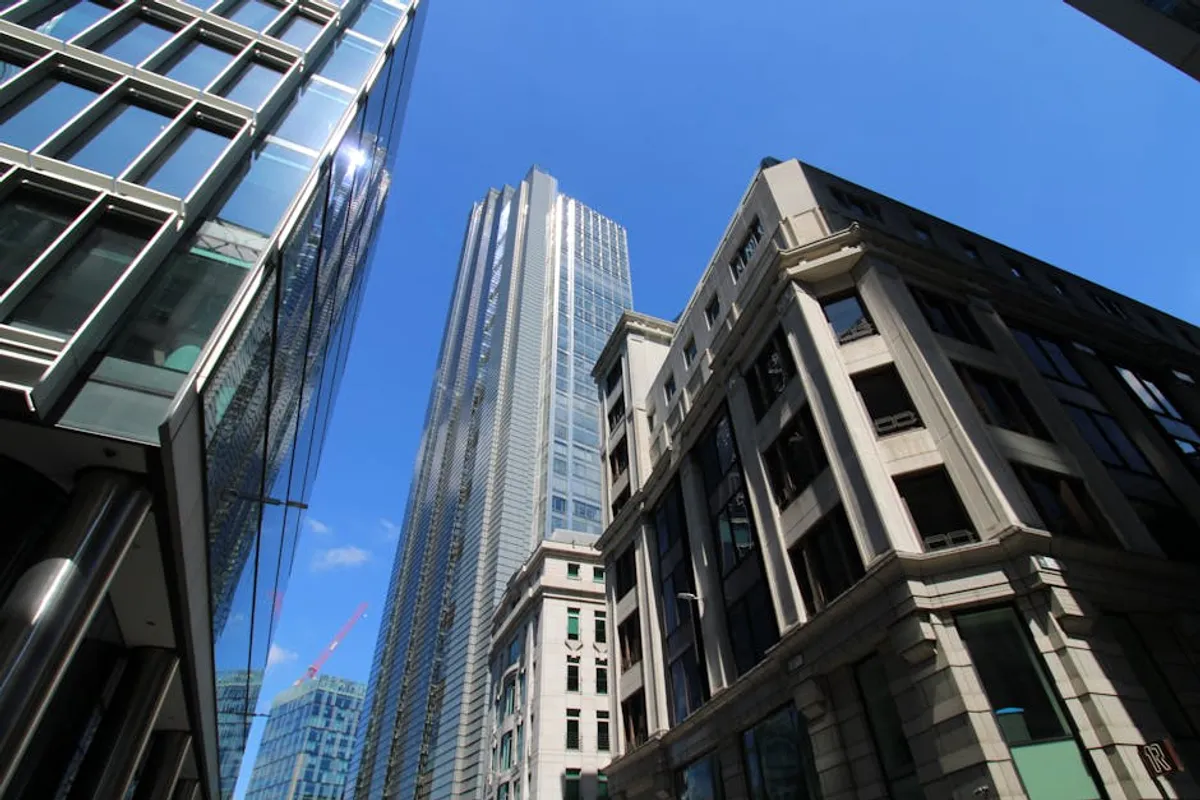
Understanding the search landscape surrounding a prominent, multifaceted location like Mayfair London offers valuable insights for any content publisher aiming to capture relevant organic traffic. A website dedicated to covering Mayfair London, particularly one adopting a "review" or comprehensive informational approach, must navigate a complex web of user intent. The success of such a site hinges on its ability to address queries ranging from fundamental descriptive information ("What It Is") to specific attributes ("Features"), practical concerns ("Safety"), and comparative perspectives ("Alternatives"). Analyzing the potential content categories and search visibility patterns for such a domain reveals how a targeted editorial strategy can establish authority and attract a diverse audience.
What a Site Covering Mayfair London Appears to Cover
A website focused on "Mayfair London" as its core subject would typically develop content around several key thematic clusters to address a broad spectrum of user inquiries. Initial content would likely establish foundational knowledge, such as the district's geographical boundaries, historical significance, and general character as a luxury and commercial hub. This foundational layer supports more detailed articles on specific "Features," which could encompass luxury retail establishments, high-end dining experiences, art galleries, hotels, and exclusive residential properties. Content might also delve into the architectural styles, cultural institutions, and unique events that define the area.
Beyond descriptive elements, a commercially astute content strategy would include topics related to "Safety," covering aspects like general neighborhood security, local policing efforts, and practical advice for visitors or residents concerning personal well-being. This demonstrates a commitment to providing comprehensive, practical information. Furthermore, to address the "Alternatives" component, the site would publish comparative analyses. These articles might juxtapose Mayfair with other prime London districts (e.g., Belgravia, Knightsbridge) or even international luxury destinations, evaluating them across criteria such as lifestyle, investment potential, and amenities. This comparative content positions the site as a valuable resource for decision-makers.
Where Its Search Traffic May Come From
Search traffic for a site covering Mayfair London would originate from a blend of broad and highly specific queries. General informational searches like "what is Mayfair London known for" or "history of Mayfair" would drive initial awareness. More specific queries would target "luxury hotels Mayfair," "Mayfair restaurants Michelin star," or "art galleries Mayfair." Geo-modified searches, such as "apartments for sale Mayfair London" or "Mayfair events this weekend," indicate strong local intent, often with commercial or transactional implications. Long-tail keywords related to specific streets, landmarks, or niche luxury services within Mayfair would also contribute, attracting users with precise needs. Additionally, queries comparing Mayfair to other areas, such as "Mayfair vs Knightsbridge," would direct users seeking comparative analysis.
Search Intent Behind the Subject
The search intent targeting content about Mayfair London is highly varied, reflecting the district's diverse appeal. Informational intent drives queries from tourists seeking travel guides, history enthusiasts researching its past, or individuals simply curious about its reputation. Commercial investigation intent is evident in searches for specific businesses, luxury brands, or dining options, where users are evaluating choices before a potential visit or purchase. Transactional intent appears when users are looking to book hotels, make restaurant reservations, or inquire about real estate purchases or rentals within Mayfair. Navigational intent is less prominent for the district itself but might apply to users searching for specific, well-known establishments within Mayfair. A content strategy must acknowledge and cater to this spectrum, providing detailed guides, curated lists, comparative reviews, and practical advice to serve each intent effectively.
Why Traffic May Rise or Fall
Organic traffic to a site covering Mayfair London can fluctuate based on several external and internal factors. External influences include major tourism trends, global economic shifts affecting luxury markets, and significant local developments or events within Mayfair itself (e.g., new store openings, major art exhibitions, urban planning changes). Positive media coverage or increased interest in London's luxury sector can drive traffic up, while economic downturns or negative publicity could lead to declines. Internally, traffic performance is tied to content freshness, topical authority, and technical SEO health. Consistent publication of relevant, high-quality content that addresses emerging trends or updated information (e.g., new safety guidelines, evolving luxury offerings) is crucial. A site's ability to maintain strong search rankings for core Mayfair-related keywords, adapt to algorithm updates, and secure valuable backlinks will directly impact its visibility and traffic volume.
How the Site Could Improve Organic Visibility
To enhance organic visibility for content about Mayfair London, a site should prioritize several strategic areas. First, establishing comprehensive topical authority requires creating clusters of interconnected content that cover every facet of Mayfair, from its historical origins to its contemporary luxury landscape. This means not just individual articles but also hub pages that link out to more specific sub-topics, signaling expertise to search engines. Implementing robust local SEO tactics, such as optimizing for geo-modified keywords and ensuring accurate business listings (if applicable), is essential for capturing local search intent. Utilizing structured data markup (Schema.org) for entities like businesses, events, and reviews can improve how content appears in search results, potentially earning rich snippets. Regular content audits to identify gaps, update outdated information, and expand on under-addressed topics (like detailed safety protocols or niche "alternatives" comparisons) will ensure the site remains a current and authoritative resource. Furthermore, fostering natural link acquisition through high-value, shareable content will bolster domain authority, improving overall ranking potential.
What to Check Before Trusting Traffic Estimates
When evaluating traffic estimates for any domain, especially one covering a broad geographical and commercial topic like Mayfair London, it is critical to approach the data with scrutiny. Third-party tools rely on various methodologies, often involving sampling and extrapolation, which can lead to discrepancies. Key checks include cross-referencing data points from multiple reputable analytics providers to identify common trends versus outliers. Examine the estimated keyword portfolio for relevance and accuracy, ensuring the reported keywords genuinely reflect the target audience's search intent. Investigate the estimated traffic distribution across different content types or sections of the site; a healthy profile typically shows diversity. Be cautious of sudden, unexplained spikes or drops in estimated traffic, which could indicate data anomalies rather than genuine shifts in performance. Ultimately, external estimates serve as directional indicators, not definitive metrics, and should be interpreted within the context of the domain's known content strategy and market positioning.
What types of luxury services are commonly found in Mayfair?
Mayfair is renowned for its concentration of ultra-luxury services, including haute couture boutiques, bespoke tailoring establishments, high-end jewelry stores, Michelin-starred restaurants, exclusive private members' clubs, and prestigious art galleries. The area also hosts numerous luxury hotels, private banking institutions, and specialist concierge services catering to an affluent clientele.
How does Mayfair's real estate market compare to other prime London districts?
Mayfair consistently ranks among the most expensive real estate markets globally, often surpassing other prime London districts like Knightsbridge and Belgravia in average property values per square foot. Its appeal stems from its central location, historical prestige, architectural grandeur, and proximity to luxury amenities, making it a highly sought-after address for both residential and commercial investment.
What are common safety considerations for visitors to Mayfair?
Mayfair is generally considered a very safe district within London, benefiting from a visible police presence and private security measures typical of high-value areas. Common safety advice for visitors includes standard urban precautions: being aware of surroundings, safeguarding personal belongings against pickpocketing in crowded areas, and using reputable transportation services, especially late at night. Specific concerns like street crime are relatively low compared to other urban areas.