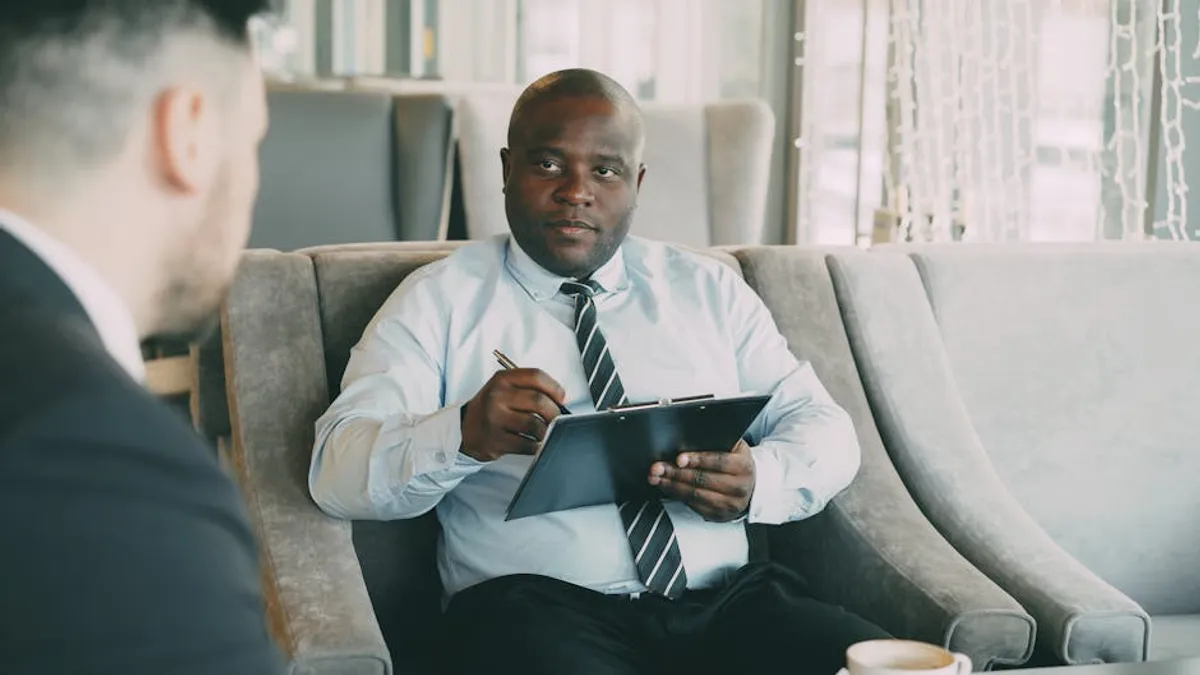
Interviewing authors provides a direct conduit to specialized knowledge and unique perspectives, a critical asset for content creators aiming to establish authority and deliver distinctive value. For SEO professionals, marketers, and publishers, securing insights directly from an author offers an unparalleled opportunity to enrich content with first-hand expertise, experience, authoritativeness, and trustworthiness (E-E-A-T). This approach moves beyond rehashed information, allowing you to produce original, high-quality material that stands out in competitive search landscapes and deeply resonates with an informed audience. The process demands meticulous preparation, strategic execution, and thoughtful post-interview content development to fully leverage the author's contribution.
Preparing for the Interview
Researching the Author and Their Work
Before any contact, conduct thorough research into the author's publications, speaking engagements, academic background, and any public commentary. Identify their core areas of expertise, recurring themes, and unique viewpoints. Look for gaps in existing content where their insight could provide novel value, or areas where they offer a dissenting or less common perspective. Understand their audience and preferred communication style. This preparatory step ensures questions are specific, avoid redundancy, and demonstrate respect for their time and contributions.
Defining Interview Objectives and Audience
Clearly articulate the purpose of the interview. Is the goal to generate a long-form article, a podcast segment, a series of short quotes for social media, or a foundational piece for a new content pillar? Define the target audience for the resulting content: Are they beginners seeking foundational knowledge, or experts looking for advanced insights? These objectives dictate the depth and breadth of questions, the tone of the conversation, and the eventual format of the published material. For instance, an interview for a beginner audience might focus on fundamental concepts and practical applications, while an expert audience would benefit from discussions on nuanced challenges and future trends.
Crafting Targeted Questions
Develop a structured list of open-ended questions designed to elicit detailed responses, not just "yes" or "no" answers. Prioritize questions that tap into the author's unique experience, case studies, or predictions. Avoid questions that can be easily answered by reading their published work; instead, aim for insights that extend or elaborate on their existing material. Include questions that encourage storytelling or anecdotal evidence, as these often provide the most engaging and memorable content. Sequence questions logically, moving from broader topics to more specific points, and always include a few "what if" or "how do you see this evolving" questions to encourage forward-looking commentary.
Conducting the Interview
Setting the Stage and Building Rapport
Begin the interview by establishing a comfortable, professional environment. Briefly reiterate the interview's purpose and how the author's insights will be used. Confirm recording consent and clarify any time constraints. Spend a few minutes building rapport through light conversation; this can help the author relax and speak more freely. A relaxed author is more likely to share authentic, unscripted thoughts, which are invaluable for creating compelling content.
Active Listening and Follow-Up Questions
While having a prepared question list is essential, active listening is paramount. Pay close attention to the author's responses, identifying opportunities for spontaneous follow-up questions that delve deeper into a point or clarify an ambiguous statement. Do not interrupt, but be ready to pivot if an unexpected tangent offers a richer vein of information. Sometimes, the most valuable insights emerge from these unscripted explorations. Avoid rigidly sticking to your script if the conversation naturally flows into a more productive direction.
Managing Time and Pacing
Maintain awareness of the allotted time throughout the interview. Guide the conversation to ensure all key objectives are covered without rushing the author. If a particular topic is yielding exceptional insights, allow it appropriate time, but be prepared to gently steer back to the agenda or defer less critical questions. Conclude by thanking the author, confirming next steps (e.g., when they can expect to see the content), and offering to send a copy of the published piece.
Post-Interview Processing and Content Creation
Transcription and Key Takeaway Extraction
Immediately after the interview, transcribe the recording. Tools or services can assist with this, but always review for accuracy. Once transcribed, systematically read through the text, highlighting key quotes, novel insights, and actionable advice. Extract the most compelling statements and identify overarching themes. This process transforms raw dialogue into usable content nuggets.
Structuring Interview-Based Content
The transcribed material can form the backbone of various content types. For an article, you might weave direct quotes into a narrative, use them as pull-quotes, or structure the piece as a Q&A. For a podcast, select the most engaging audio segments. Regardless of format, organize the content logically, ensuring a clear introduction, development of ideas, and a strong conclusion. Attribute all quotes accurately to maintain credibility and respect for the author's intellectual property.
Optimizing for Search and Readability
Integrate relevant keywords naturally within the content, particularly in headings and introductory paragraphs, without compromising readability. Ensure the author's name and credentials are prominently featured, as this directly contributes to E-E-A-T signals. Use short paragraphs, clear headings, and bullet points to enhance readability. For web content, consider adding internal links to related articles and external links to the author's official website or publications, further establishing authority and providing additional resources for the reader.
Leveraging Interview Content for E-E-A-T
Author interviews are a powerful mechanism for demonstrating Expertise, Experience, Authoritativeness, and Trustworthiness. By featuring an author's direct input, your content gains significant credibility.
- **Expertise:** Direct quotes and detailed explanations from a recognized author showcase deep knowledge on a subject.
- **Experience:** Authors often share personal anecdotes, case studies, or practical applications that illustrate their hands-on experience.
- **Authoritativeness:** Associating your content with a well-known author signals to both users and search engines that the information is reliable and comes from a trusted source.
- **Trustworthiness:** Transparently featuring an author and their credentials builds confidence in the accuracy and validity of the information presented.
Maximizing Interview Value: Strategic Considerations
Pro Tip: Always secure explicit written consent from the author regarding the recording of the interview and the specific ways their quotes and insights will be used. This prevents misunderstandings and protects both parties, ensuring a smooth content production process and maintaining a positive relationship for future collaborations.
Actionable Steps for Successful Author Interviews
To consistently produce impactful content through author interviews, adopt an iterative process. Start by defining precise content goals for each interview. Systematize your research process to quickly identify key areas of an author's work that align with your content strategy. Develop a flexible question framework that allows for both prepared queries and spontaneous follow-ups. After publication, analyze engagement metrics to understand which types of author insights resonate most with your audience. Use these learnings to refine your approach for subsequent interviews, continuously improving the quality and commercial utility of your author-driven content.
Frequently Asked Questions
How long should an author interview typically last?
Interview length varies based on content goals, but typically ranges from 30 to 60 minutes for articles and up to 90 minutes for in-depth podcasts. Always respect the author's availability.
Should I send questions to the author in advance?
Yes, providing a brief outline or key questions in advance allows the author to prepare thoughtful responses, leading to a more productive and insightful discussion.
What if an author provides off-topic or irrelevant information?
Gently redirect the conversation by reiterating the interview's focus or asking a specific question that brings the discussion back to your core objectives. You can also edit out irrelevant sections during post-production.
How can I ensure the author's voice is accurately represented?
Beyond accurate transcription, strive to capture their tone and unique phrasing. Consider sending key quotes or sections of the draft content for their review before final publication to ensure their perspective is faithfully conveyed.