
Analyzing a domain like fontmirror.com requires an understanding of how high-volume, utility-driven websites capture and retain organic traffic. For SEO professionals and digital publishers, fontmirror.com represents a specific niche where technical performance and keyword granularity intersect. Unlike broad content sites, a font-centric domain relies on the precise indexing of thousands of individual assets, each acting as a unique entry point for searchers. Evaluating this site involves looking beyond surface-level metrics to understand how it services the specific needs of designers, developers, and content creators who are often searching for immediate, functional solutions rather than long-form editorial content.
What fontmirror.com Appears to Cover
The core value proposition of fontmirror.com likely centers on a repository of typography assets. In this vertical, coverage typically spans several categories: serif, sans-serif, display, script, and monospace fonts. However, the depth of the site is found in its metadata. A robust font site doesn't just list names; it provides character maps, font weights, styles, and licensing information. For fontmirror.com, the primary content layers probably include font preview generators, which allow users to see custom text in a specific typeface before downloading or purchasing a license.
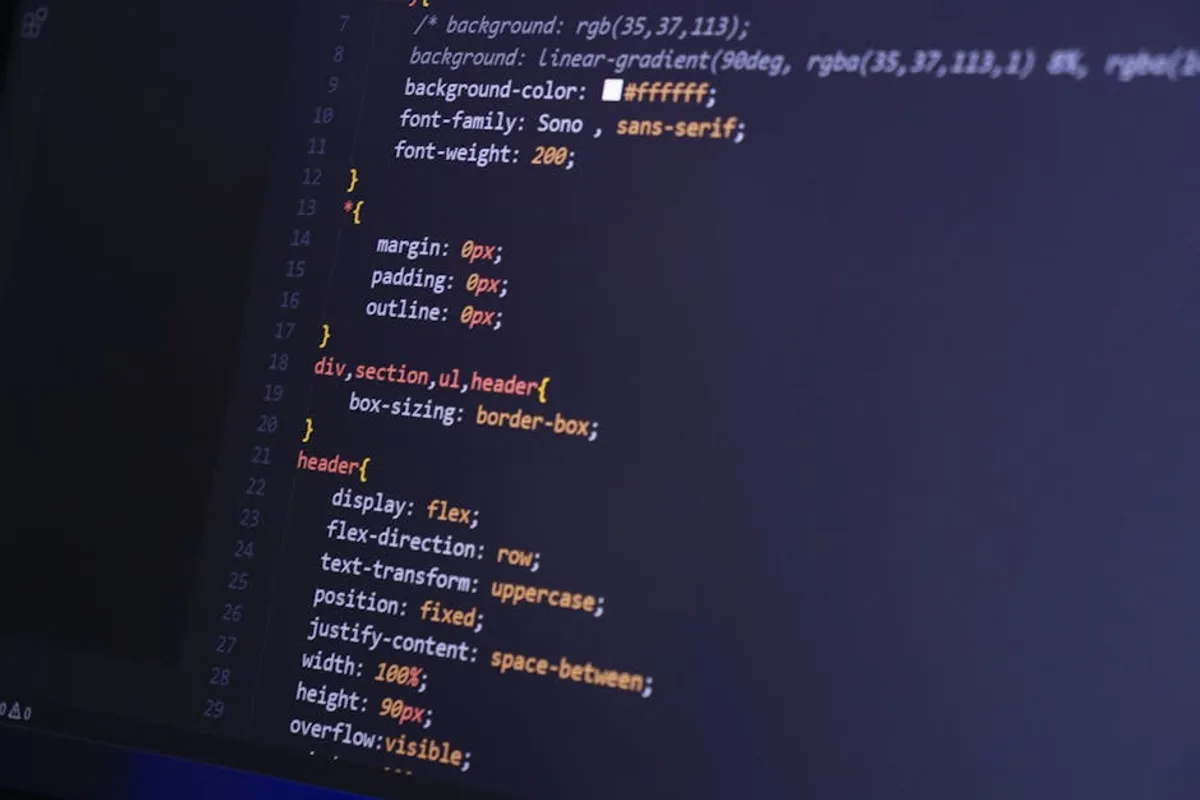
Beyond the fonts themselves, the site may cover technical implementation details. This includes CSS @font-face snippets, web font formats like WOFF and WOFF2, and compatibility guides for different operating systems. By hosting these technical details, fontmirror.com positions itself as a resource for developers who need to integrate specific aesthetics into digital projects. The breadth of coverage is determined by the library's size, but the quality of coverage is defined by how well the site categorizes these assets—grouping fonts by "mood" (e.g., professional, playful, retro) or by technical specifications like x-height and kerning quality.
Where Its Search Traffic May Come From
Search traffic for fontmirror.com is almost certainly dominated by "long-tail" queries. While "free fonts" is a high-volume head term, it is also hyper-competitive. Most sustainable traffic in this niche comes from specific font names or variations. A user is more likely to find the site by searching for a specific typeface like "Montserrat Light Italic" or "alternative to Helvetica" than by a generic category search. This creates a fragmented traffic profile where thousands of individual pages each contribute a small percentage to the total volume.
Another significant source of traffic likely stems from "intent-plus-category" searches. These are queries where users look for fonts suited for a specific purpose, such as "best fonts for wedding invitations" or "coding fonts with ligatures." If fontmirror.com has curated collections or tag-based navigation, it can capture these middle-of-the-funnel users. Furthermore, image search is a critical but often overlooked traffic driver for font sites. Users frequently upload an image to a search engine to identify a typeface; if fontmirror.com ranks for the resulting font name, it captures a highly motivated user. Direct traffic may also play a role if the site is used as a recurring tool by designers who have bookmarked it for its preview capabilities or ease of use.
Search Intent Behind the Subject
Understanding the intent behind visitors to fontmirror.com is essential for assessing its commercial value. The intent is rarely purely informational. Instead, it sits at the intersection of navigational and transactional. A user searching for a specific font name is navigating toward a specific file or license. They have a problem—a missing asset in a design file— and fontmirror.com provides the solution.
There is also a strong "utilitarian intent." This involves users who need to convert font formats or generate CSS code. They aren't looking to "read" about fonts; they are looking to "do" something with them. For an SEO analyst, this means that the dwell time on fontmirror.com might be lower than on a blog, but the conversion rate (downloads or clicks) should be significantly higher. If the site fails to provide a clear "Download" or "Copy Code" button above the fold, it fails the primary search intent of its audience. High bounce rates in this niche don't always indicate poor quality; they can indicate that the user found exactly what they needed immediately and left to continue their work.
Why Traffic May Rise or Fall
The organic visibility of fontmirror.com is sensitive to several specific factors. First is the "Helpful Content" factor. Search engines increasingly prioritize sites that provide unique value. If fontmirror.com simply mirrors libraries found on dozens of other sites without adding unique previews, detailed licensing explanations, or better technical metadata, it risks losing rank to more comprehensive repositories. Originality in how fonts are presented and tested is a major ranking signal in this category.
Technical SEO is the second major factor. Font files and preview scripts can be heavy. If fontmirror.com suffers from slow load times or high Cumulative Layout Shift (CLS) when the fonts render, its rankings will likely suffer. Furthermore, the site’s traffic is tied to design trends. A typeface that was popular three years ago may see a sharp decline in search volume, while a new "trending" font can cause a traffic spike. If the site does not regularly update its library to include modern, high-demand typefaces, its total addressable market shrinks. Finally, licensing changes can impact traffic; if a previously free font becomes paid or is removed due to copyright issues, the page targeting that font will lose its utility and its ranking.
How the Site Could Improve Organic Visibility
To increase its footprint, fontmirror.com should focus on semantic grouping and internal linking. Instead of treating each font as an island, the site could create "family" pages that link various weights and styles together. This helps search engines understand the relationship between pages and distributes link equity more effectively. Creating comparison pages—such as "Font A vs. Font B"—targets users who are in the decision-making phase and can capture traffic from competitors' brand names.
Another avenue for growth is the optimization of "font pairings." Many designers search for "fonts that go with [Font Name]." By creating dedicated landing pages for these pairings, fontmirror.com can rank for multi-term queries that have lower competition but high relevance. Additionally, improving the technical delivery of font previews using modern image formats or highly optimized SVG paths can improve Core Web Vitals, which is a direct ranking factor. Rich snippets are also vital; ensuring that search results display character counts, ratings, or license types directly in the SERPs can significantly increase the click-through rate (CTR) even if the position remains the same.
What to Check Before Trusting Traffic Estimates
When evaluating fontmirror.com through third-party tools, caution is required. Traffic estimates for font sites are often skewed by "ghost" traffic or non-human interactions. For example, if the site allows hotlinking of font files, some tools might misinterpret those requests as user visits. You must verify whether the estimated traffic is coming from high-value regions or if it is inflated by bot activity common in the technical and developer niches.
Furthermore, look at the keyword distribution. If fontmirror.com gets 90% of its traffic from a single, obscure font name, the site's overall authority is lower than it appears. A healthy profile should show a broad distribution across hundreds of different typefaces. You should also check the "Search Features" the site wins. Does it capture the "Image" pack or the "People Also Ask" boxes? In the font world, ranking #1 in standard web search is often less valuable than appearing in the top row of an image-based search results page. Always cross-reference keyword difficulty with the actual intent of the page; a high-volume keyword that leads to a broken preview page is a liability, not an asset.
Frequently Asked Questions
Is fontmirror.com a good source for commercial project assets?
This depends entirely on the licensing information provided on each specific font page. Users must verify whether a font is listed as "Free for Personal Use," "OFL" (Open Font License), or requires a commercial license purchase. The site acts as a repository, but the legal right to use an asset is determined by the original creator's terms.
How does fontmirror.com handle font previews?
Most sites of this nature use a combination of web-font loading and server-side rendering to allow users to type custom text. This is a critical feature for SEO as it increases user engagement and time on site, which are indirect signals of content quality to search engines.
Why do some fonts on the site appear in search but aren't available for download?
This often happens due to "index bloat" or licensing changes. A page may remain in search engine indexes even after a file is removed or hidden. For developers, this can be a point of frustration, and for site owners, it represents a need for better 404 management or "out of stock" notifications to maintain search trust.
Can I use the CSS code provided on fontmirror.com directly?
While the site likely provides CSS snippets for convenience, developers should always ensure they are hosting the font files locally or through a reliable CDN to ensure site speed and privacy compliance. Using snippets directly from a third-party repository without a proper license or technical setup can lead to broken layouts if the source file is moved.



